Kanheri Caves, Borivali – A Complete Visitor Guide
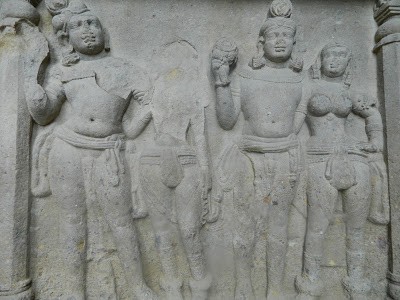
Kanheri Caves are one of Mumbai’s most important ancient heritage sites, located deep inside Sanjay Gandhi National Park in Borivali. Surrounded by dense forest, wildlife, and hills, these caves offer a rare combination of history, spirituality, and nature within a modern metropolitan city.
The national park and Kanheri Caves together attract close to two million visitors every year. Despite Mumbai’s rapid urban expansion, this area remains one of the few large green zones preserved by the government to protect wildlife, forest cover, and archaeological monuments.
Historical Background of Kanheri Caves
The Kanheri Caves were carved by Buddhist monks beginning around the 1st century BCE, with construction continuing for nearly a thousand years until the 10th century CE. During this long period, Kanheri evolved into a major centre for Buddhist learning, meditation, and monastic life along India’s western coast.
The name “Kanheri” is derived from the Sanskrit word Krishnagiri, meaning “Black Mountain,” referring to the dark basalt rock from which the caves were carved. The location was ideal for monks due to its natural isolation, availability of water, and peaceful forest surroundings.
Size and Layout of the Cave Complex
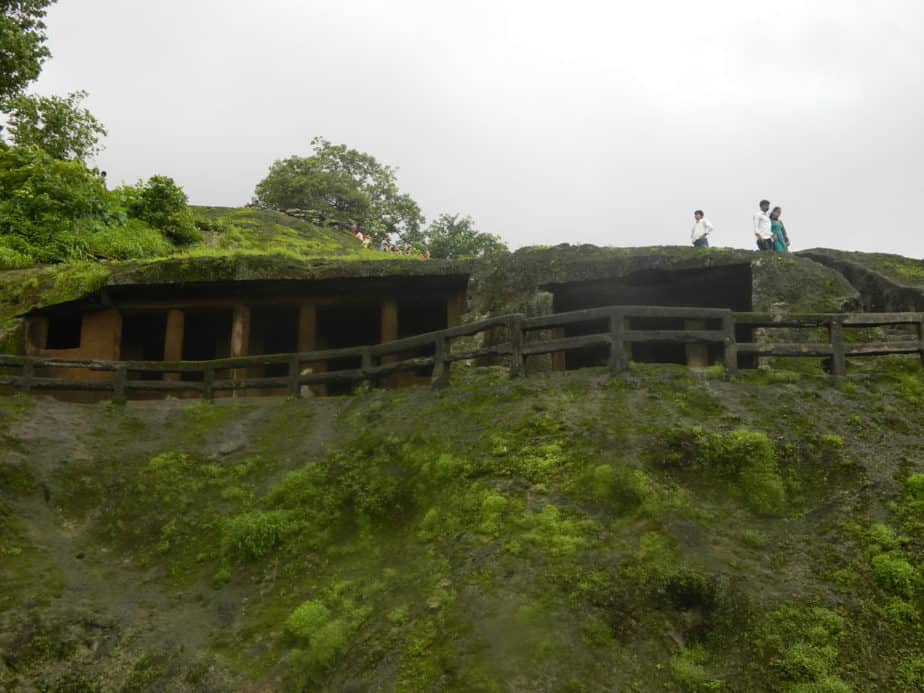
Kanheri is one of the largest Buddhist cave complexes in India, consisting of more than 100 rock-cut caves spread across a hillside.
Overview of the Cave Complex
| Feature | Details |
|---|---|
| Total caves | Over 100 |
| Period of construction | 1st century BCE – 10th century CE |
| Rock type | Basalt (volcanic rock) |
| Primary use | Monasteries, prayer halls, meditation |
| Religious influence | Hinayana and Mahayana Buddhism |
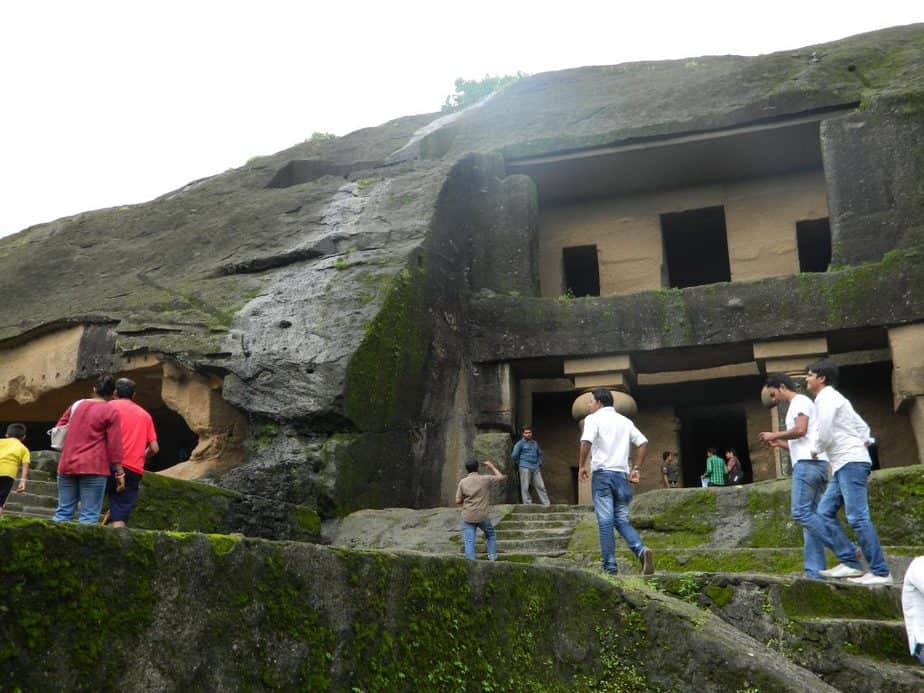
Most caves were used as viharas (living quarters for monks), while larger caves served as chaityas (prayer halls). The site also contains water cisterns, inscriptions, and sculptures added over different centuries.
Architecture and Engineering
The caves were carved entirely by hand from solid basalt rock, demonstrating remarkable planning and engineering skills. One of the most impressive features of Kanheri is its ancient water management system. Channels carved into the rock collected rainwater and directed it into large stone cisterns, ensuring a reliable water supply throughout the year.
Stone pillars, benches, steps, and drainage systems can still be seen today, reflecting how well-organised monastic life was at the site.
Important Caves at Kanheri
Although there are many caves, a few are especially significant due to their size, inscriptions, or design.
Cave Highlights
| Cave Number | Importance |
|---|---|
| Cave 1 | Buddhist monastery with large entrance pillars; construction incomplete |
| Cave 2 | Long cave with three dagobas; one partially damaged |
| Cave 3 | Main chaitya hall; largest and most important cave; Satavahana inscription |
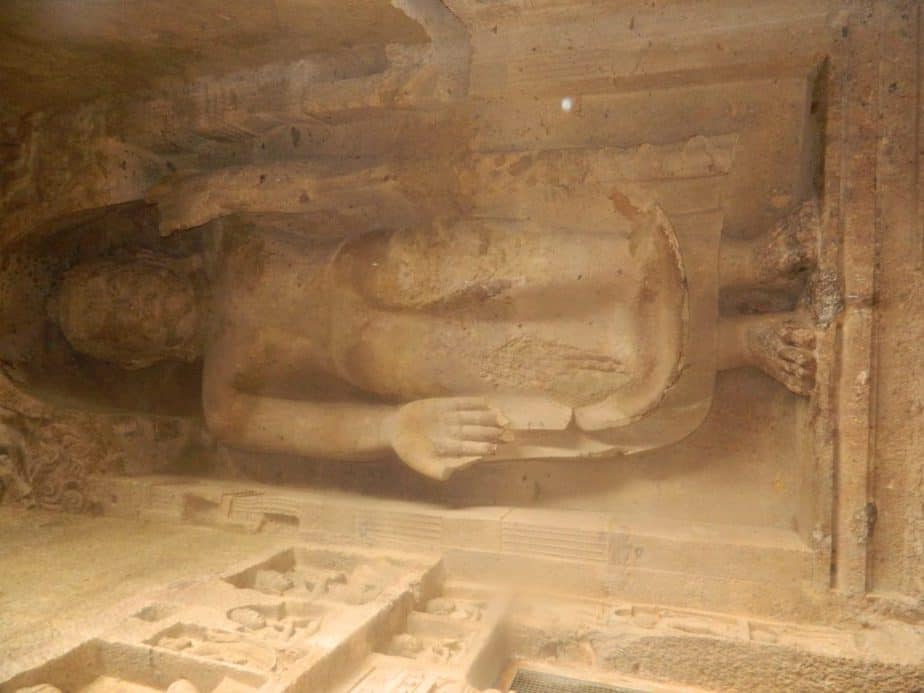
| Cave 4 | Circular dagoba with Buddha sculptures |
| Caves 5 & 6 | Water cisterns with important inscriptions |
Cave 3, the Great Chaitya, is the most prominent structure. It was used for congregational worship and contains inscriptions mentioning Yajna Sri Satakarni, linking the caves to the Satavahana dynasty.
Caves 5 and 6 contain inscriptions recording donations by a minister named Sateraka and references to the queen of Vashishtiputra Satakarni (130–160 CE), showing royal patronage and political connections.
Inscriptions and Language
Kanheri Caves preserve numerous inscriptions carved into the rock walls.
| Aspect | Details |
|---|---|
| Script | Brahmi |
| Languages | Prakrit and early Sanskrit |
| Purpose | Donations, names of rulers, monks, benefactors |
| Historical value | Helps date caves and identify patrons |
These inscriptions provide crucial evidence about ancient trade routes, royal support, and Buddhist monastic networks.
Natural Environment and Wildlife
Because the caves are located inside Sanjay Gandhi National Park, visitors experience a rich natural setting along with history. The surrounding forest is home to deer, langurs, macaques, peacocks, reptiles, butterflies, and many bird species. Leopard sightings are rare but possible, which is why visitors are not allowed near the caves after evening hours.
During the monsoon season, small waterfalls form around the caves, making the landscape especially scenic.
Comparison With Other Cave Sites (Unique Angle)
| Site | Location | Key Difference |
|---|---|---|
| Kanheri Caves | Mumbai | Inside a national park |
| Ajanta Caves | Maharashtra | World-famous paintings |
| Ellora Caves | Maharashtra | Multi-religious complex |
| Elephanta Caves | Mumbai | Dedicated to Shiva |
Best Time to Visit Kanheri Caves
The ideal time to visit depends on what kind of experience you want.
| Season | What to Expect |
|---|---|
| October – February | Pleasant weather, best for walking and exploring |
| July – September | Lush greenery and waterfalls, slippery paths |
| March – May | Hot weather; early morning visits recommended |
How to Reach Kanheri Caves
The nearest railway station is Borivali (West) on the Western Railway line. From outside the station, auto-rickshaws are easily available and typically charge around ₹70 to reach the national park entrance.
Once inside the park, visitors can:
- Drive their own vehicle
- Walk up to the caves
- Use the park bus service
- Cycle on designated routes
Entry Fees (Updated)
Kanheri Caves Entry Fee
| Category | Fee |
|---|---|
| Indian citizens | ₹15 per person |
| Foreign nationals | ₹200 per person |
Sanjay Gandhi National Park Entry (Separate)
| Category | Fee |
|---|---|
| Indian adults | ₹58 |
| Children | ₹31 |
| Foreign nationals | ₹200 |
Vehicle and camera charges may apply separately.
Visiting Hours (Updated)
| Day | Timings |
|---|---|
| Monday to Sunday | 7:30 AM – 5:30 PM |
Visitors are not permitted to stay near the caves after 6:00 PM due to wildlife movement.
Visitor Tips
- Wear comfortable walking shoes
- Carry drinking water, especially in summer
- Avoid touching sculptures or inscriptions
- Do not feed animals
- Start early to avoid crowds and heat
Address and Contact Information
Address:
Sanjay Gandhi National Park,
Borivali East, Mumbai, Maharashtra 400066, India
Phone: +91 22 2202 4482
Why Kanheri Caves Are Worth Visiting
Kanheri Caves are not just an archaeological site; they represent over 2,000 years of spiritual, cultural, and architectural history hidden inside Mumbai’s last major forest. They offer a peaceful escape, a lesson in ancient engineering, and a reminder of how closely history and nature were once connected.

Leave a Reply