What Is the National River of India?
The national river of India is the Ganga, also known internationally as the Ganges River. It was officially declared the national river in 2008 because of its immense cultural, historical, and economic importance. For thousands of years, the Ganga has been more than just a river. It has shaped civilizations, supported millions of people, and inspired countless traditions.
But the story of the National River – Ganga is far deeper than geography. It is a river that flows not only through land, but also through faith, history, and the collective memory of India.
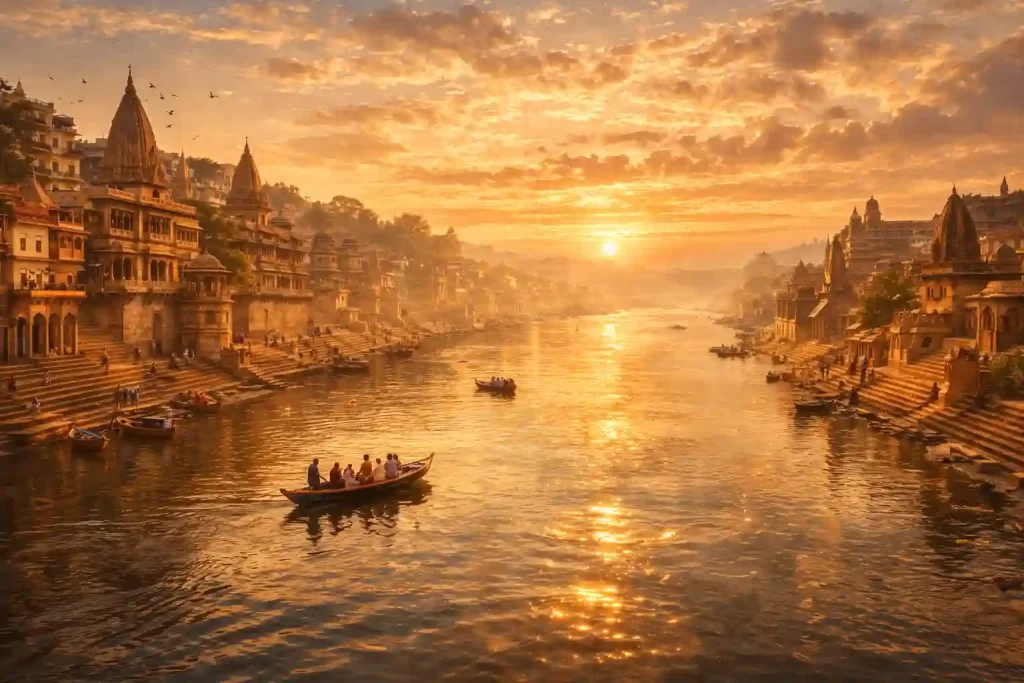
If you stand on the ghats of Varanasi at sunrise, watching the golden light reflect on the water, you begin to understand something extraordinary. This river has witnessed empires rise and fall, saints meditate on its banks, and generations depend on its waters for life.
And yet, the most fascinating part is that the Ganga still continues its ancient journey—almost unchanged for thousands of years.
Why the Ganga Is the National River of India
The National River – Ganga was chosen because it represents the cultural and ecological heart of India. It supports agriculture, drinking water supply, religious traditions, and biodiversity across northern India.
The river flows through some of the most densely populated regions in the world and sustains nearly 40 percent of India’s population.
Several factors influenced the decision to declare the Ganga the national river:
• Cultural and religious importance
• Economic dependence of millions of people
• Historical significance in Indian civilization
• Ecological importance and biodiversity
The river’s basin covers nearly one-fourth of India’s land area, making it one of the most important river systems in Asia.
Origin and Course of the Ganga River
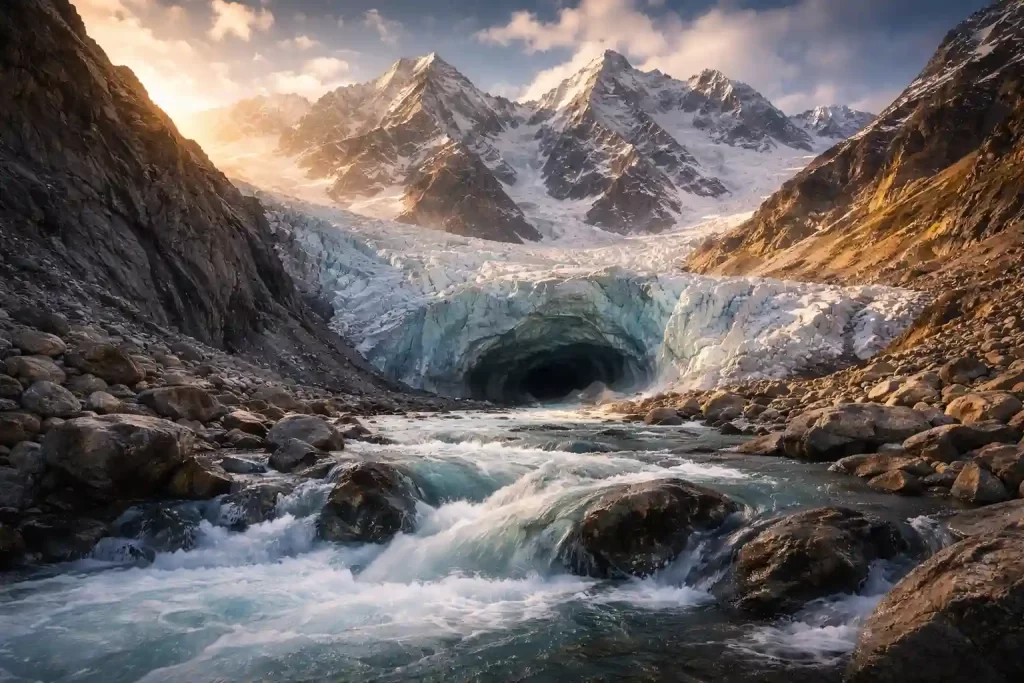
The National River – Ganga begins high in the Himalayas. Its main source is the Gangotri Glacier in Uttarakhand. At the glacier, the river begins as a stream called the Bhagirathi River. After meeting the Alaknanda River at Devprayag, it officially becomes the Ganga.
From there, the river travels approximately 2,525 kilometers before emptying into the Bay of Bengal.
Along its journey, the river flows through several major Indian cities including:
• Rishikesh
• Haridwar
• Kanpur
• Prayagraj
• Varanasi
• Patna
• Kolkata
By the time the Ganga reaches the Bay of Bengal, it forms the Sundarbans Delta, the largest river delta in the world.
Key Facts About the National River – Ganga
| Feature | Information |
|---|---|
| Length | About 2,525 km |
| Source | Gangotri Glacier, Himalayas |
| Mouth | Bay of Bengal |
| Basin Area | Around 1 million square km |
| Countries | India and Bangladesh |
| Population Dependent | Over 400 million people |
These numbers show why the National River – Ganga is often called the lifeline of northern India.
Cultural and Spiritual Importance of the Ganga
Few rivers in the world hold as much spiritual meaning as the Ganga. In Hindu tradition, the river is considered sacred and is often referred to as Mother Ganga.
Millions of people believe that bathing in its waters cleanses sins and purifies the soul.
Many of India’s most important religious ceremonies take place on the river’s banks. Pilgrims travel from across the country to visit cities like Varanasi and Haridwar to perform rituals along the ghats.
Ancient scriptures such as the Rigveda mention the Ganga, showing that the river has been revered for thousands of years.
But here’s the surprising part… the river’s importance is not only spiritual. Scientists have also discovered unique ecological features that make the Ganga one of the most fascinating river systems in the world.
Biodiversity of the Ganga River
The National River – Ganga supports a remarkable variety of wildlife.
Some important species living in the Ganga basin include:
• Ganges river dolphin
• Gharial crocodile
• Otters
• Freshwater turtles
• Numerous fish species
The Ganges river dolphin, in fact, is India’s national aquatic animal. It relies heavily on the health of the river ecosystem. The Sundarbans delta also supports the Royal Bengal tiger, making the Ganga basin one of the most diverse ecosystems in South Asia.
Comparison: Ganga vs Other Major Indian Rivers
| River | Length | Basin Importance | Cultural Role |
|---|---|---|---|
| Ganga | 2,525 km | Largest basin in India | Sacred river |
| Yamuna | 1,376 km | Major tributary of Ganga | Religious importance |
| Brahmaputra | 2,900 km | Powerful Himalayan river | Important in Northeast |
| Godavari | 1,465 km | Largest river in South India | Agricultural importance |
Among all these rivers, the National River – Ganga stands out because of its unique blend of geography, culture, and history.
Did You Know?
Scientists have studied the water of the Ganga and discovered that it has unusual self-purifying properties due to naturally occurring bacteriophages that kill harmful bacteria.
This phenomenon has fascinated researchers for decades.
Environmental Challenges Facing the Ganga
Despite its importance, the National River – Ganga faces several environmental challenges.
These include:
• Industrial pollution
• Untreated sewage from cities
• Plastic waste
• Deforestation in the river basin
To address these problems, the Government of India launched the Namami Gange Program, a large-scale initiative aimed at cleaning and protecting the river.
The program focuses on sewage treatment, riverbank conservation, and public awareness campaigns.
Interesting Facts About the Ganga River
• The Ganga delta is the largest delta in the world.
• The river basin supports nearly one out of every three Indians.
• Varanasi, one of the world’s oldest continuously inhabited cities, lies on its banks.
• The river changes color slightly during different seasons due to sediment flow.
• The Ganga has over 100 tributaries.
A Famous Quote About Rivers
Naturalist Henry David Thoreau once wrote:
This quote perfectly captures the importance of the National River – Ganga, which has sustained life, culture, and spirituality for thousands of years.
“A river is more than an amenity, it is a treasure.”
Frequently Asked Questions
What is the national river of India?
The Ganga River is the national river of India.
When was the Ganga declared the national river?
It was declared the national river in 2008 by the Government of India.
Where does the Ganga River originate?
The river originates from the Gangotri Glacier in the Himalayas.
How long is the Ganga River?
The Ganga River is approximately 2,525 kilometers long.
Why is the Ganga considered sacred?
In Hindu belief, the river is considered divine and is believed to purify the soul and wash away sins.
Which cities are located on the banks of the Ganga?
Major cities include Haridwar, Prayagraj, Varanasi, Patna, and Kolkata.
References
National Mission for Clean Ganga
https://nmcg.nic.in
Encyclopaedia Britannica – Ganges River
https://www.britannica.com/place/Ganges-River
Final Thoughts – National River of India
The National River – Ganga is far more than a geographical feature. It is a living thread that connects nature, history, faith, and everyday life in India. For thousands of years it has nourished civilizations and inspired countless stories along its banks.
And perhaps that is what makes the Ganga truly remarkable. It reminds us that rivers are not just water flowing through land—they are the lifelines of human history.

Leave a Reply